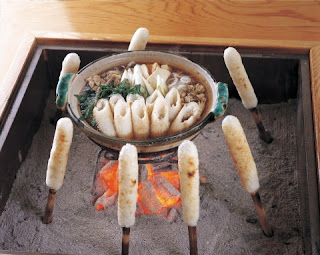
For centuries, Japanese people were mostly vegetarians, with a lot of veggies and grains that were grown seasonally, plus stuff that could be harvested from the wild, like mushrooms or seaweed.
Fruit was also plentiful in the southern parts, and even today, I'd say Japan has the most amazing variety of oranges, mikan, dekapon, and so many others in the winter season, providing vitamin C and sweetness during the cold months.
This winter, I'm able to harvest several types of greens, including mizuna, hakusai, and sweet cabbage. I'm looking forward to a scale-up of my efforts next winter. Things that I'm still not very good at include broccoli and daikon, staple food in winter as well. I think I will get a hang of it, ultimately. Growing
something is what matters, as far as I am concerned, as we are heading towards a time when imports may no longer be taken for granted. Having
something from your own garten that you can barter with may make all the difference.
It wasn't always like this. If you want to know more about traditional Japanese vegetarian food, you need to explore shojin ryori. It is the traditional Japanese way of cooking, using only veggies, tofu, and some other tricks to make it very tasty and special. It has evolved as time went by, but at its core - it is healthy, delicious, and beautiful.
Alena from Germany notes:
Register NOW for the free Shōjin Ryōri seminar in Tokyo at info@cradle-ds.jp (event details below)

The one common rule though is not to use fish, meat and animal products
such as eggs and milk. One of the precepts of Buddhism is “thou shalt
not kill”, which also forbids the killing of any animal, fish or insects
for food. Hence, all animal products are taboo in Buddhist cuisine,
which Shōjin Ryōri is an example of.
Temples are the culinary kingdoms of Shōjin Ryōri and visitors who stay
at temple lodgings, called “shukubo” in Japanese, are typically served
Shōjin Ryōri for dinner and for breakfast.
Not considering the religious aspects, Shōjin Ryōri is a simple yet
flavorful cuisine that is extremely nutritious and hence good for
health.
Vegetarians, and vegans in particular, who have difficulties in finding
something to eat in Japan that does not contain fish, seafood or meat,
have embraced Shōjin Ryōri.
Fresh Local Ingredients – Dishes Changing with the Season
A great number of Shōjin Ryōri dishes are soybean based, including bean
curd (tofu) and deep-fried bean curd (abura-age) and seasonings are
also made from soy, for example soy sauce and soy bean paste. Miso, a
traditional Japanese seasoning typically made by fermenting soybeans
with salt and a kind of fungus, also features in Shōjin Ryōri.
Mushrooms, for example shiitake, enoki, eringi and shimeji, and “sea
vegetables”, ie seaweed, are also common ingredients. While many broths
used in Japanese cooking are fish stock-based, in Shōjin Ryōri
vegetarian kombu is used in general.
Shōjin Ryōri cannot do without locally sourced vegetables and the
choice of vegetables very much goes with the seasons. Eat Shōjin Ryōri
at different times of the year and you will notice that the types of
vegetables and also the parts of vegetables used are not the same.
In spring new vegetable sprouts are used while in summer it is the
leaves of vegetables that feature on your plate. Come autumn and you
will find many fruits and nuts, especially chestnut, while in winter
dishes are based on root vegetables.
Dewa Sanzan Shōjin Ryōri – Local Cuisine Developed by Mountain Priests
Shōjin Ryōri dishes differ from temple to temple and from region to
region as the ingredients used very much reflect what vegetables can be
found in the mountains and forests nearby.
The Dewa Sanzan Shōjin Ryōri is known for using vegetables found in the
nearby Shonai Plain and wild mushrooms and vegetables picked on the
slopes of Mount Gassan.
Serving Shōjin Ryōri to pilgrims has a long tradition at the
temple lodgings in Toge Village, which lies at the foot of Mount Haguro.
Mount Haguro, Mount Gassan and Mount Yudono are collectively known as the Three Mountains of Dewa (
Dewa Sanzan) which have been venerated for centuries as sacred mountains.
The area is known to be a place where Shugendo, a spiritual tradition
unique to Japan is still being practiced. Shugendo is based on mountain
worship and it incorporates philosophies from esoteric Buddhism, old
Shinto and ancient Japanese animism.
Practitioners are colloquially referred to as “
yamabushi”
(mountain priests). They are expert naturalists who possess an in-depth
knowledge of and profound connection with the natural environment and
with the spiritual spheres.
Shōjin Ryōri is the mediator that connects their belief with their daily life as the following testimonials will tell.
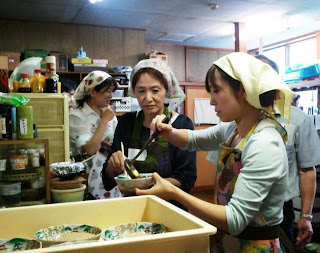
All Generation Team Revives Traditions
A team of locals is revitalizing the centuries-old Dewa Sanzan Shōjin
Ryōri tradition and they are coming to Tokyo to introduce their unique
cuisine.
Register NOW for the free Shōjin Ryōri seminar in Tokyo at info@cradle-ds.jp
Practical Information about the Event:
-
Schedule: Saturday, February 9th, 13:30-15:30
-
Venue: Neuro Café (www.neuro-cafe.com/)
-
Fee: Free (incl.sampling of some Shōjin Ryōri dishes, herbal tea,local sake tasting; info pack in English or Japanese)
-
Location: 2F, Jingu-mae 2-13-2, Shibuya-ku, Tokyo
-
Nearest Sta: JR Chuo/Sobu Line Sendagaya (9min walk)/ Metro Ginza Line Gaien-mae (7min walk)